Description
7 Groundbreaking Ancient Civilizations that influence us today
Around 12,000 years ago, humans hunkered down. Though they had previously traversed the planet to forage for food, people made the decision to devote themselves to agriculture and spent their days planting seeds, picking produce and amassing the world’s first food surpluses.
Ultimately, the security provided by abundant food allowed portions of the human population to concentrate on converting small, agrarian settlements into vibrant cities. They could construct towering temples and palaces and throw themselves into the burgeoning endeavors of art, philosophy and politics.
Here are seven ancient societies that have gained a reputation for their ingenuity and innovation. (The exact timelines for these civilizations are approximate and subject to academic debate.)
Ancient Greece (1100 B.C. to A.D. 140)
Ancient Greece wasn’t the first civilization to form on the craggy coasts of the Mediterranean, though their culture undoubtedly made its mark. In approximately 7000 B.C., agricultural settlements appeared across the Aegean Sea and grew into societies including those of the Minoans and Mycenaeans. In fact, the latter greatly influenced the Greeks: They developed the first forms of their language and worshiped several gods and goddesses who would ultimately populate the Greek pantheon, including Zeus, Poseidon and Athena. They also inspired ancient Greece’s most important myths, including their account of the legendary Mycenaean soldiers Achilles and Odysseus and their activities in the Trojan War.
By 1100 B.C., the Minoan and Mycenaean cultures collapsed, and around the 8th century B.C., a smattering of independent city-states, including Athens, Sparta and Thebes, began to dominate the Greek world. Though these city-states possessed distinct cultures, they shared a language, religion and interest in innovation. While the society’s poets such as Homer and Hesiod pioneered Western literature, Greek thinkers paved the way for modern medicine, mathematics and science, and became the first proponents of ideas such as atomism and heliocentrism. It was also ancient Greek figures — including Socrates, Plato and Aristotle — who fostered Western philosophy. Perhaps most consequentially, the culture laid the foundations for today’s democracies.
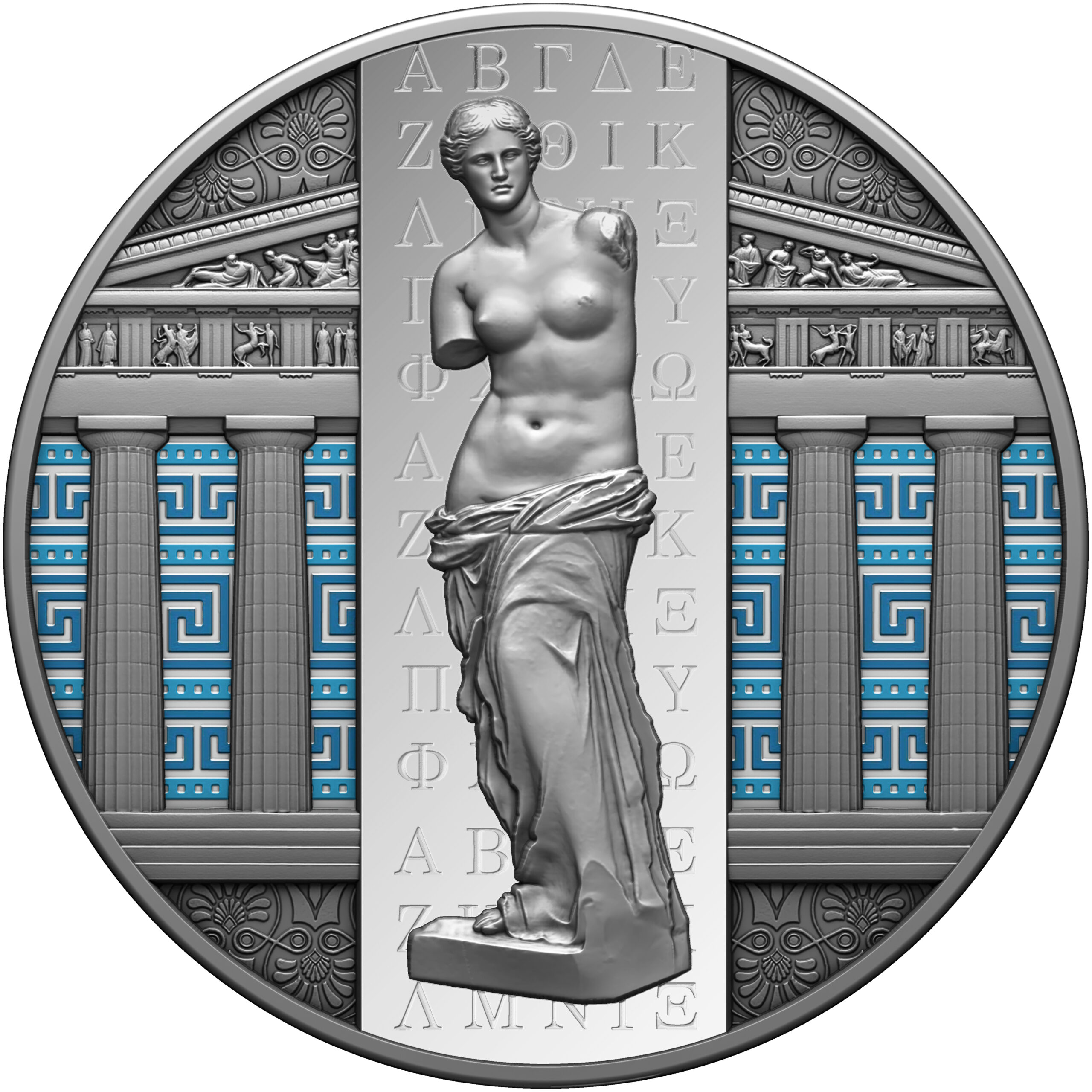
The Venus de Milo
The Venus de Milo is one of the most celebrated masterpieces of Ancient Greek sculpture. Created during the Hellenistic period and discovered on the Greek island of Milos in 1820, the statue is believed to represent Aphrodite, the Greek goddess of love and beauty. Its graceful proportions, elegant drapery, and mysterious missing arms have made it an enduring icon of classical beauty and the extraordinary artistic mastery of Ancient Greece.
The Parthenon and Greek Architecture
The Parthenon stands as one of the greatest symbols of Ancient Greek architecture and the pursuit of harmony, proportion, and perfection. Built in the 5th century BC on the Acropolis of Athens and dedicated to the goddess Athena, its majestic columns and refined proportions became a model for architecture throughout the Western world. Today, the Parthenon remains an enduring symbol of the artistic and intellectual achievements of Ancient Greece.